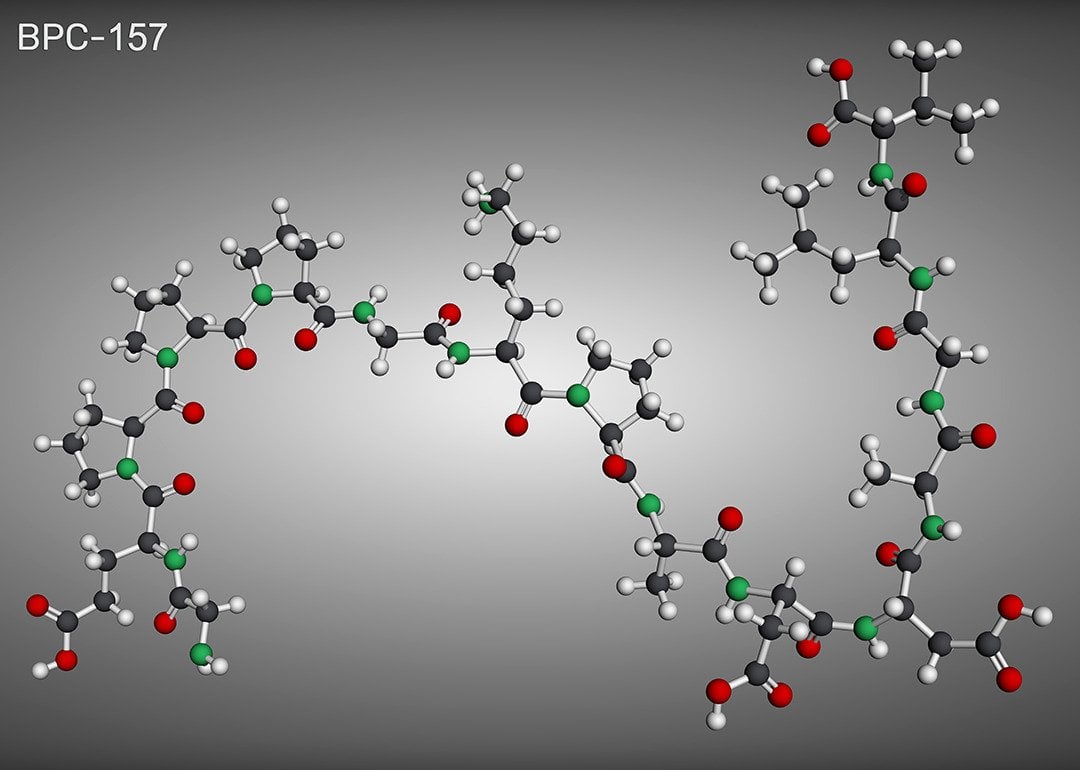
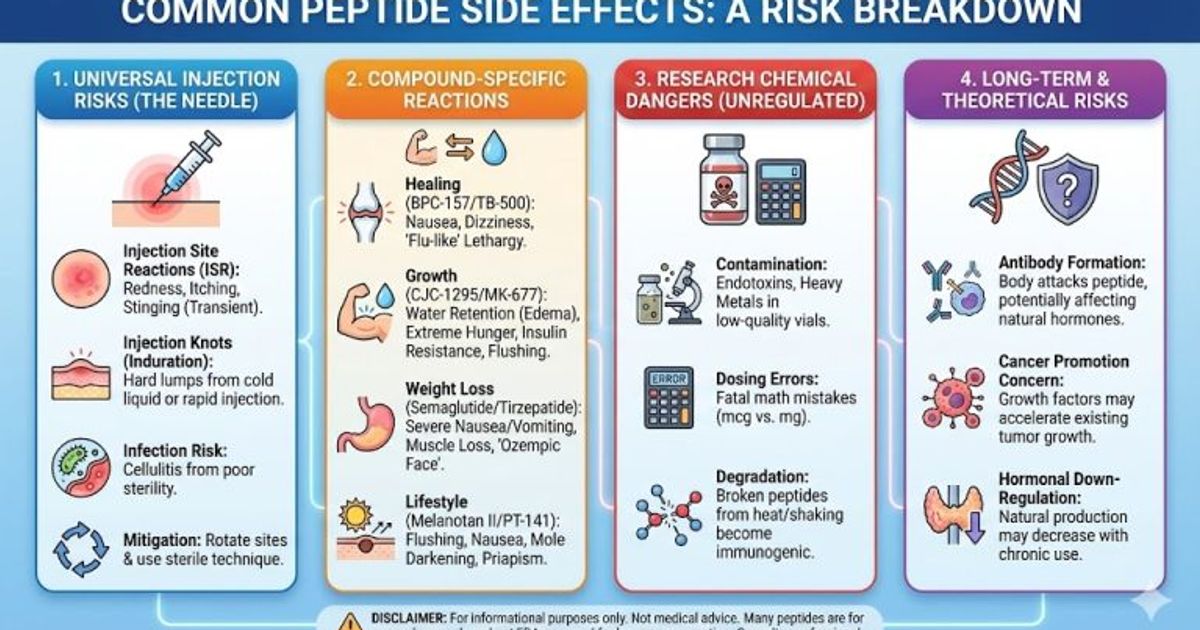
Manufacturing, Purity, and Safety Concerns Why manufacturing matters BPC-157 is made using a complex chemical process involving: Synthetic amino acids (Fmoc-protected amino acids) Polymer resins (Rink, Wang, or PAL resin) Aggressive solvents (DMF, DCM) Reactive coupling agents (HATU, HBTU, DIC, PyBOP) Strong acids (TFA) HPLC chemicals and stabilizers In pharmaceutical-grade production, these chemicals are removed to trace levels through validated purification steps and quality control testing
They are also used to boost energy levels, improve mood, and promote healthy skin, hair, and nails
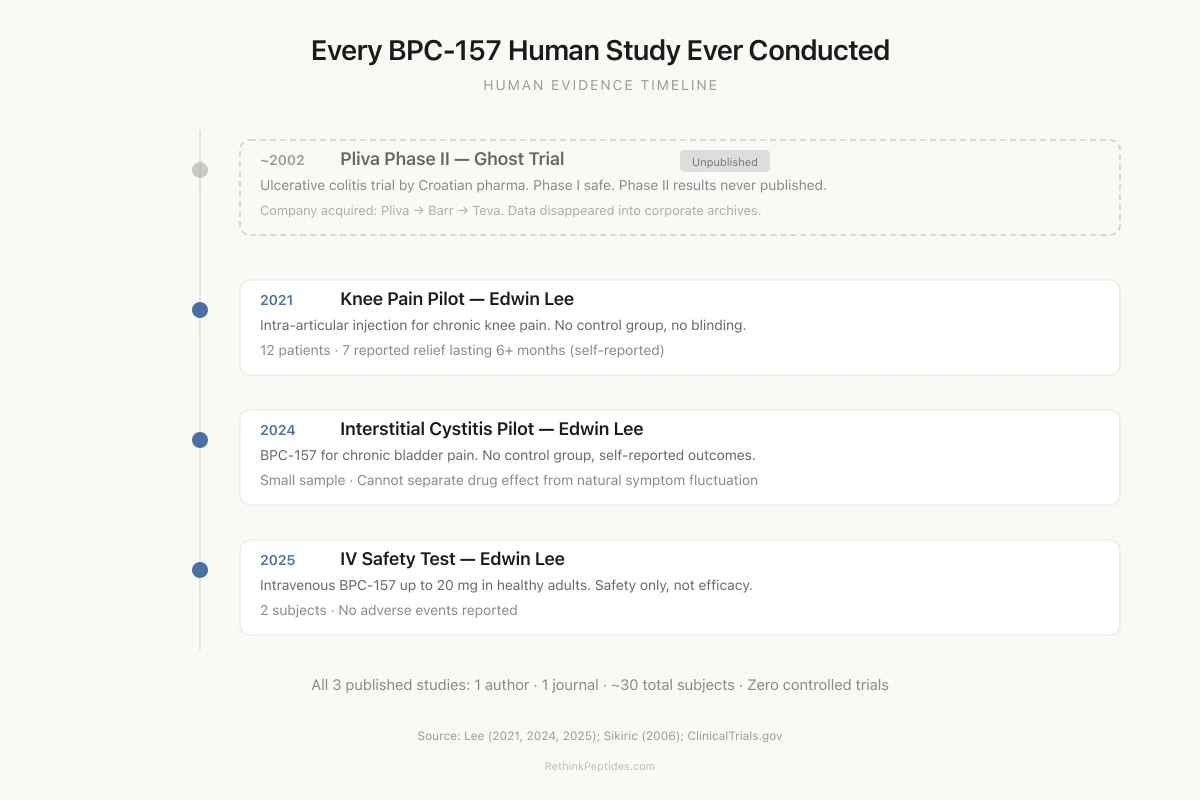
We reviewed Sikiric 1993-2026 (Zagreb, over 150 BPC-157 papers), the AJSM 2026 systematic review (35 preclinical studies), the 2026 pilot PK study in two healthy subjects, and the February 2026 STAT review
A 2017 study published in JAMA examined unapproved performance-enhancing products sold online, including SARMs and compounds marketed similarly to peptides