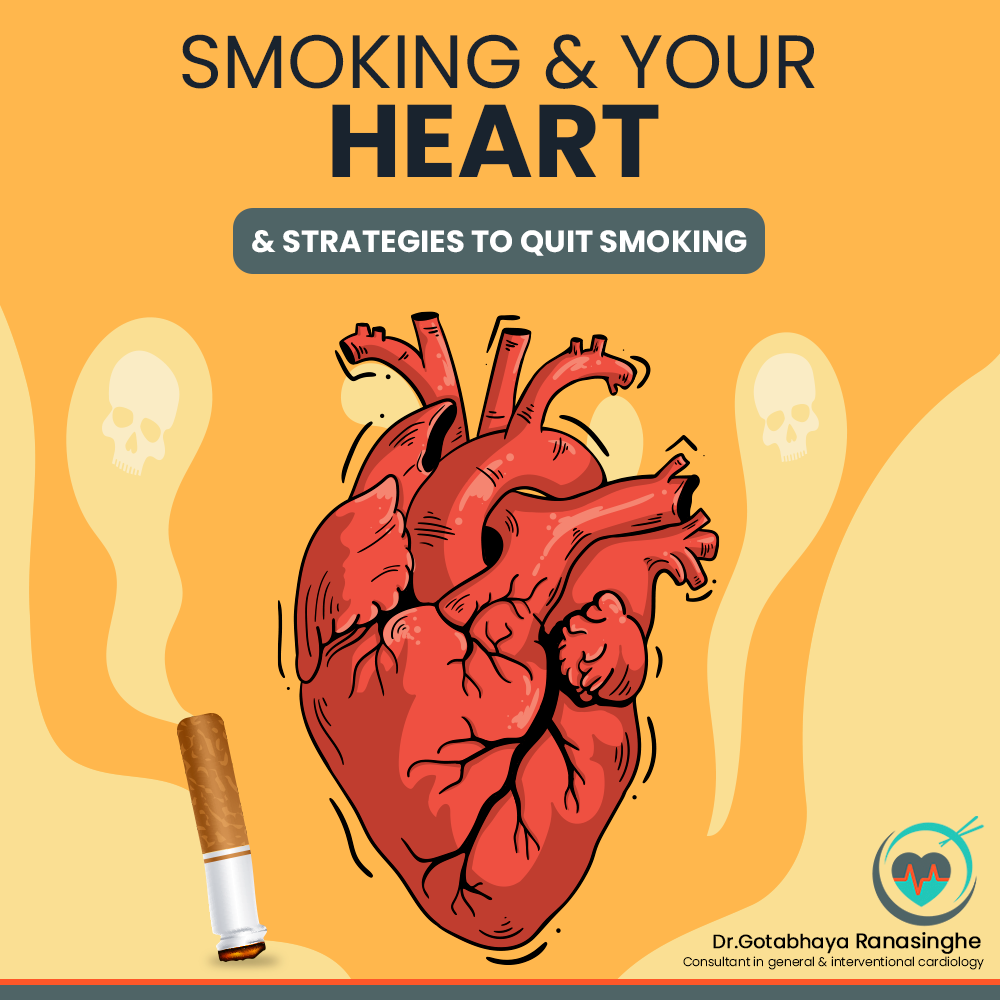
Common harm reduction strategies include: Reducing the number of cigarettes smoked per day Delaying the first cigarette of the day to reduce nicotine dependence Transitioning from combustible tobacco to supervised nicotine replacement therapy (NRT) when appropriate Increasing follow-up frequency to provide continued support and monitor progress While these strategies can reduce harm, it is important to emphasize that harm reduction is intended as a bridge toward cessation rather than a replacement for quitting
Surprisingly, this was deemed Confirmed Adam, Jamie, and a completely blind volunteer managed to competently navigate behind the wheel while unable to see (so long as the passenger is sober), though the conclusion has a massive Don't Try This at Home disclaimer for a good reason

Video - The plastic problem that no one is talking about: 4.5 trillion cigarette butts are littered every year Webinar News Technical presentations Side event - Tobacco product waste: a threat to the environment Video recording Side event during the meetings of the conferences of the parties to the Basel, Rotterdam and Stockholm conventions (bc cop-15, rc cop-10, sc cop-10) Featured campaign Campaign materials Video Posters Clean Seas campaign - Face the plastic truth Videos recorded as part of the UNEP Clean Seas campaign Face the Plastic Truth Projects Stories and campaigns from countries Resources Cigarette production and consumption have seen dramatic growth in recent decades and although the health effects of smoking are widely recognized,
The nicotine in cigarette smoke causes an addiction to smoking