Kindler syndrome (KS) is an autosomal recessive genodermatosis first described by Kindler in 1954.1 It is a rare subtype of hereditary epidermolysis bullosa (EB).2 Only 250 cases have been reported worldwide.3 In Peru it accounts for 4.3% of EB cases, according to a report that includes all 4 cases presented in this article.4 KS is caused by a mutation in FERMT1, the gene that encodes kindlin-1 protein, which is expressed in the skin, periodontal tissue, small intestine, colon, and rectum.5,6 Kindlin-1 forms part of the cytoskeleton of basal keratinocytes, and participates in cell migration, adhesion, and growth.5,7 Loss of kindlin-1 function results in skin fragility and defective binding of actin to the extracellular matrix.8 Clinical manifestations usually present from birth and consist of blistering induced by trauma or sun exposure, diffuse skin atrophy, and early-onset poikiloderma in photo-exposed areas
The researchers analyzed suicide rates in states that aggressively implemented anti-smoking policies from 1990 to 2004 and compared them to suicide rates in states that had more relaxed policies
If the Dasher accepts the delivery, they must drive to the restaurant the customer ordered from, pick up the order, and deliver it to the customer
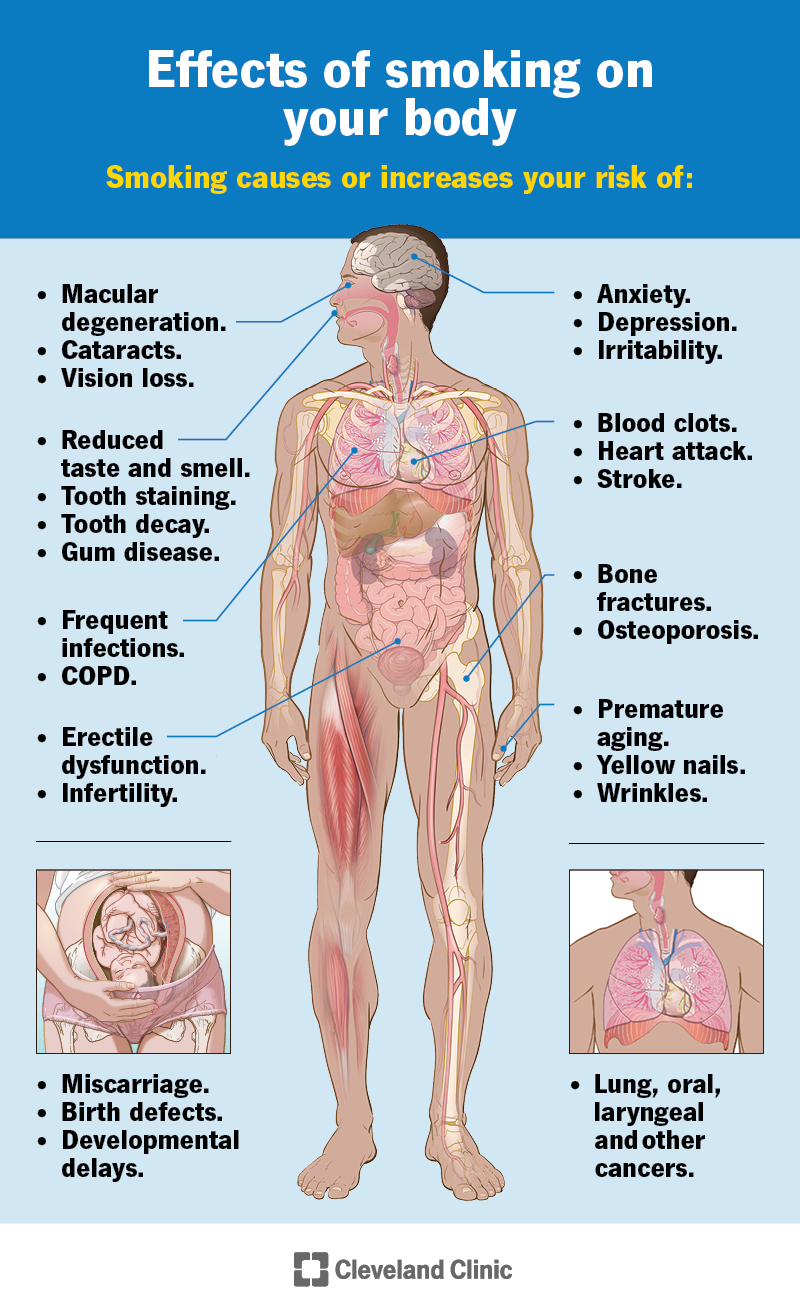
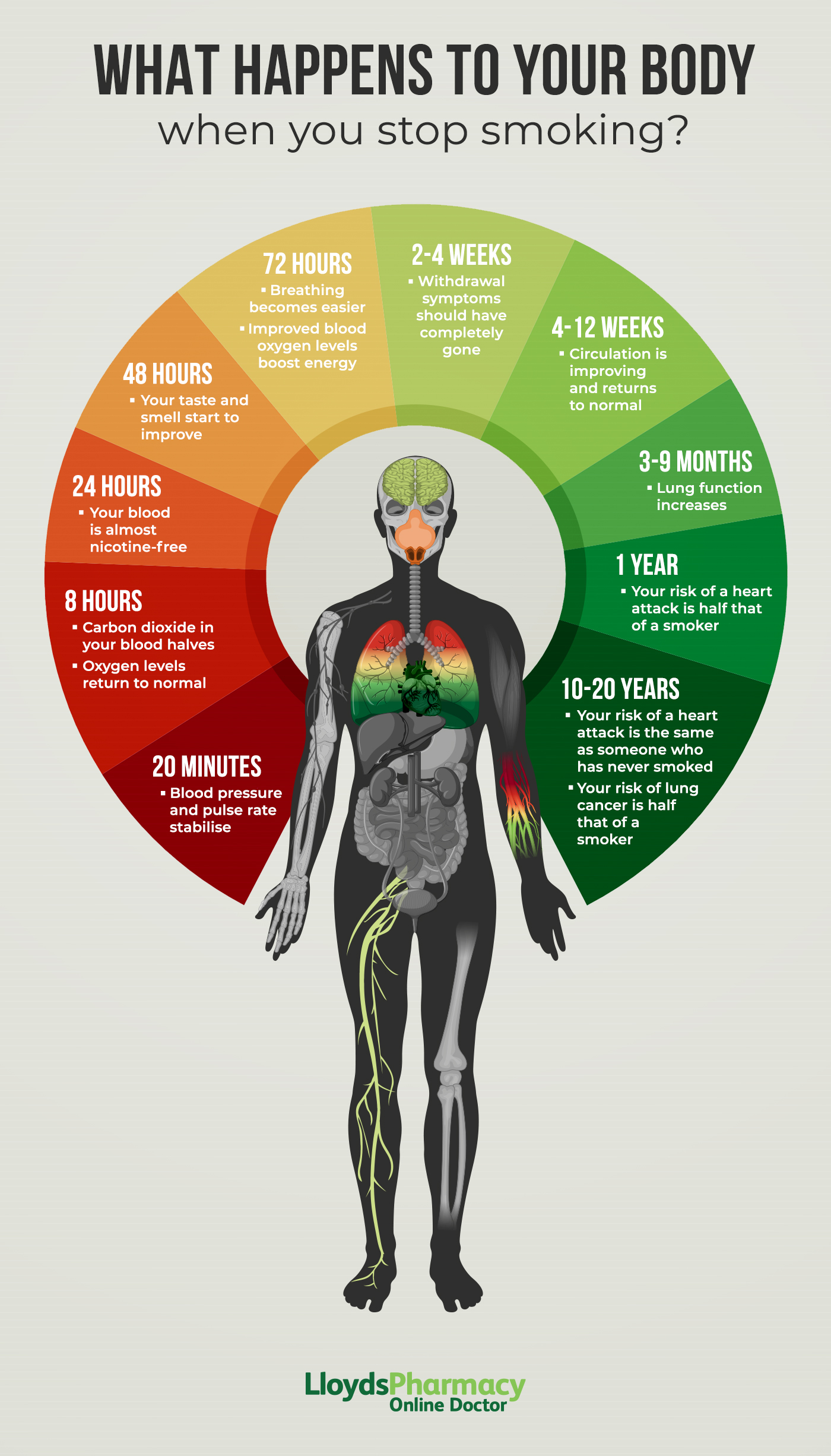
Swetabh Purohit in Internal Medicine Apr 19, 2022 Cigarette smoking is harmful in many ways

:max_bytes(150000):strip_icc()/after-the-last-cigarette-how-your-body-heals-2824388-01-e5f0f79b0a394d43afbc80b20479b9aa.png)
:max_bytes(150000):strip_icc()/VWH_Illustration_Treatment-for-Smokers-Flu_Illustrator_Jessica-Olah_Final-7c2b15bdfbfb40abbc1071ff26b37d79.jpg)


.jpg)